


Our latest news
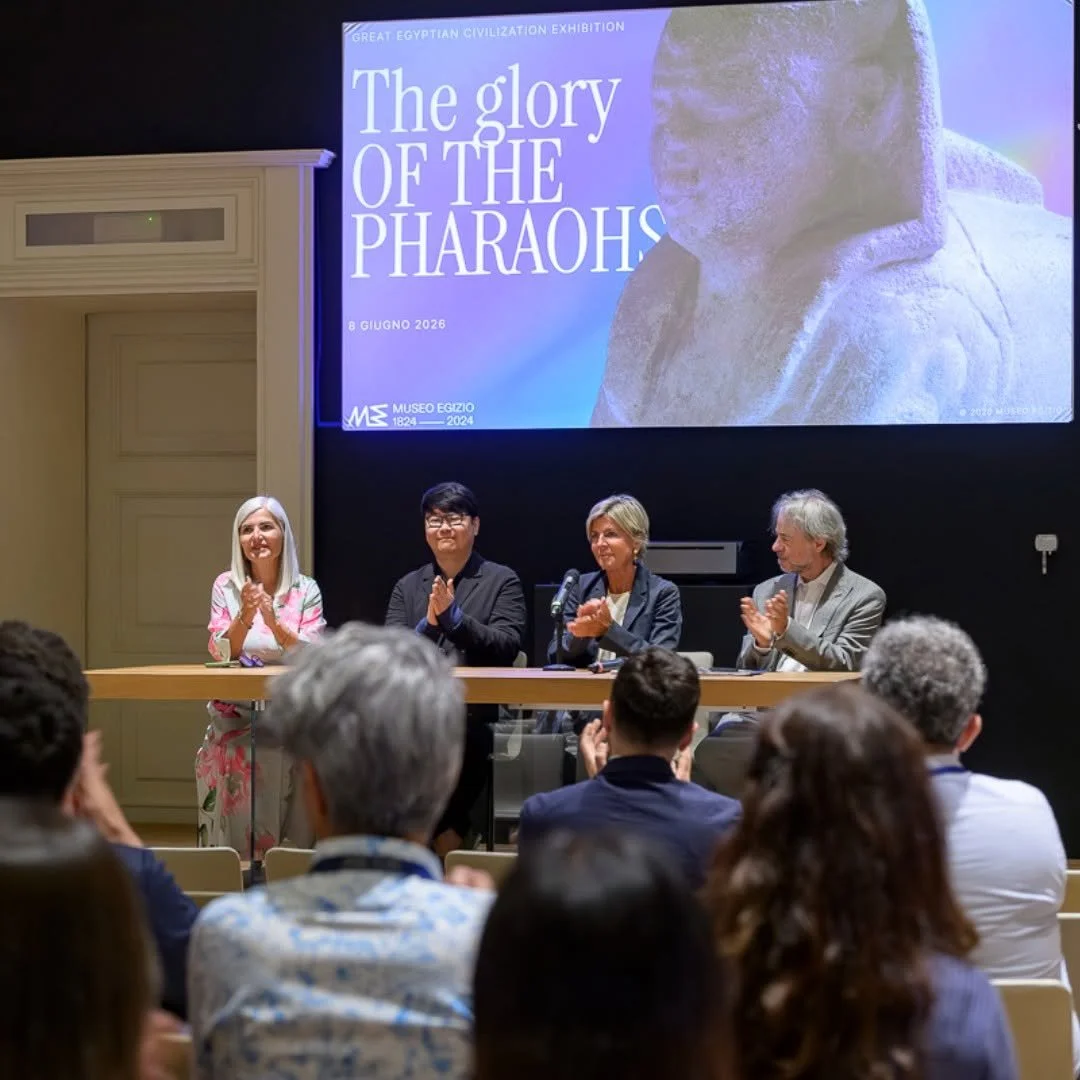
A new traveling exhibition project in South Korea
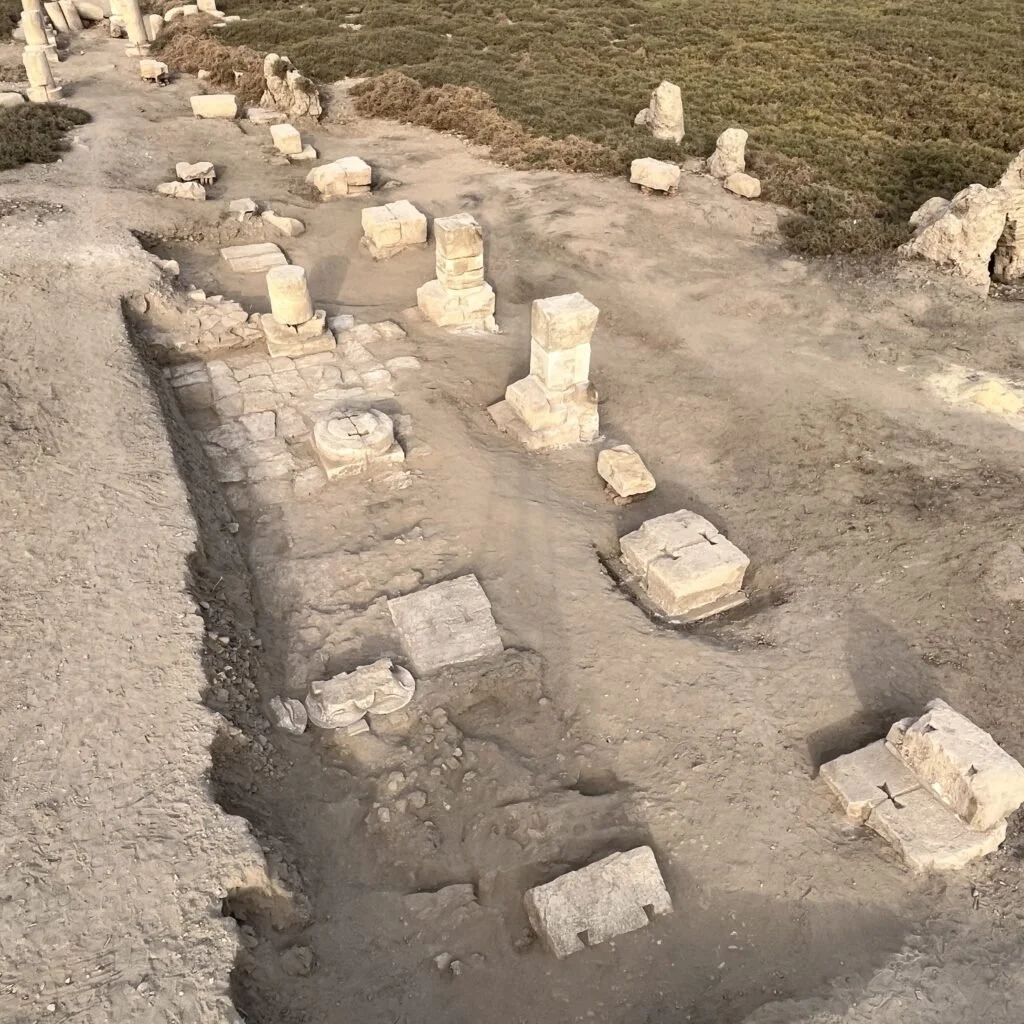
The 2026 Coptos Digging Diary

The statue of Amun from the Badisches Landesmuseum in Karlsruhe arrives in the Gallery of the Kings
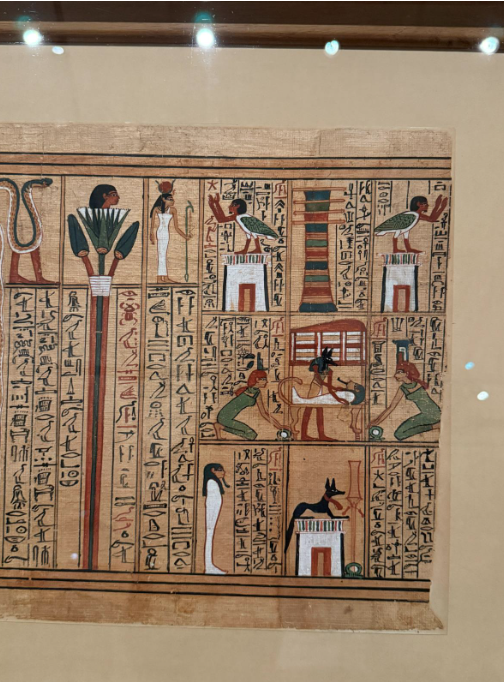
From Paris for Kha and Merit
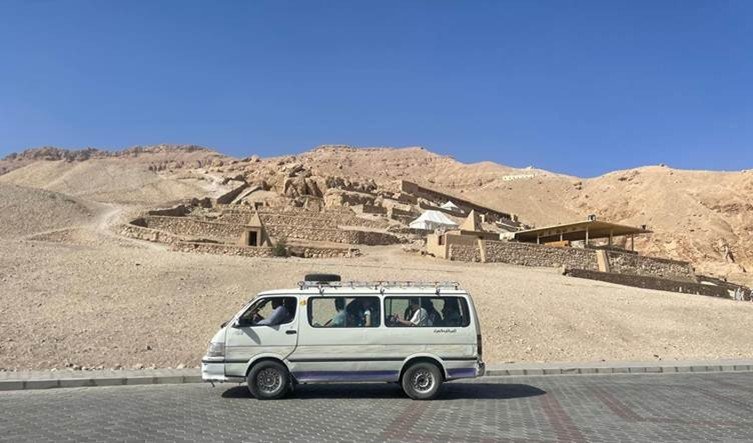
Digging Diaries from Deir el-Medina 2026 – Week Three
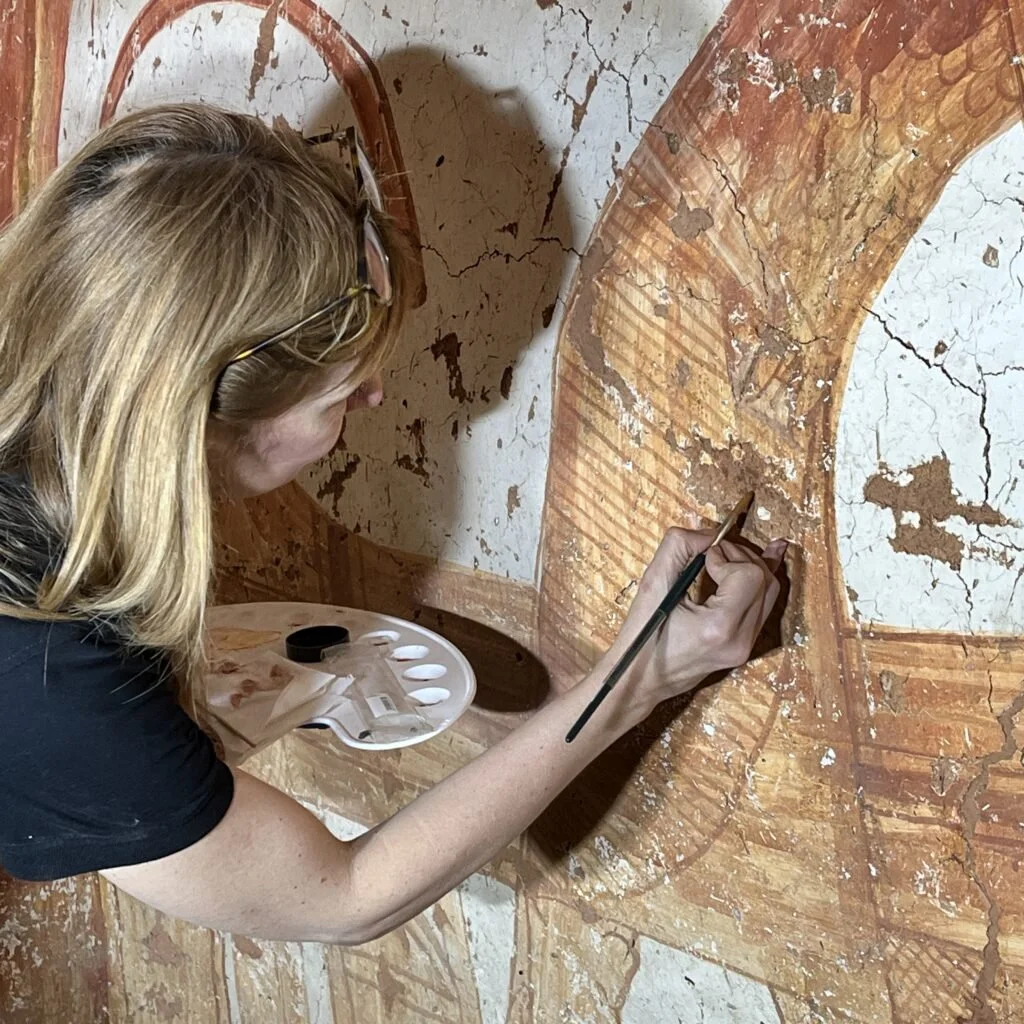
Digging Diaries from Deir el-Medina 2026 – Week Two
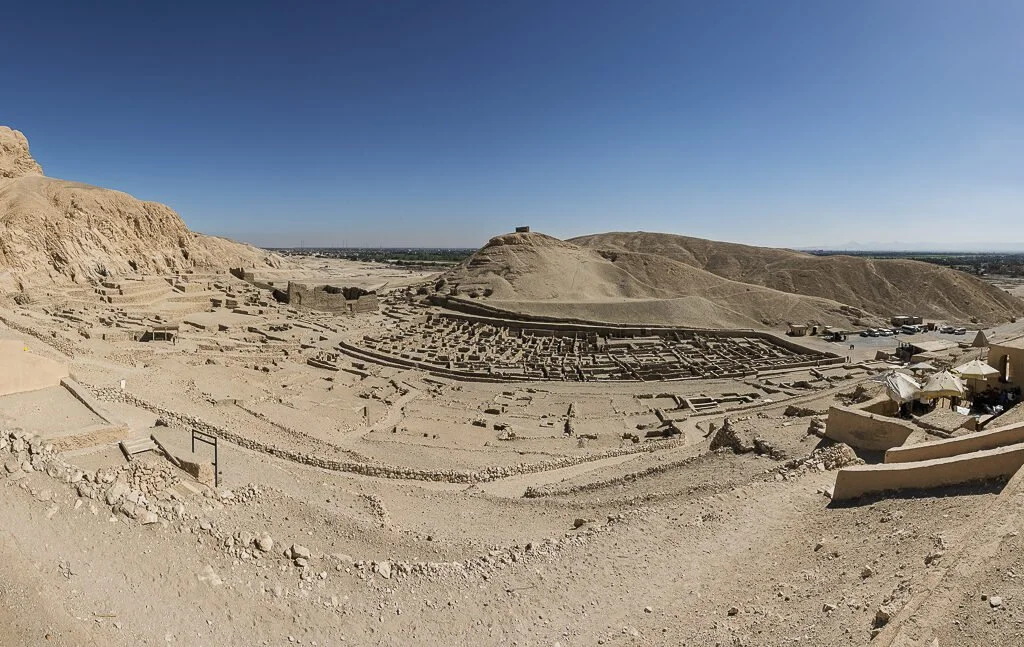
Digging Diaries from Deir el-Medina 2026 – First Week
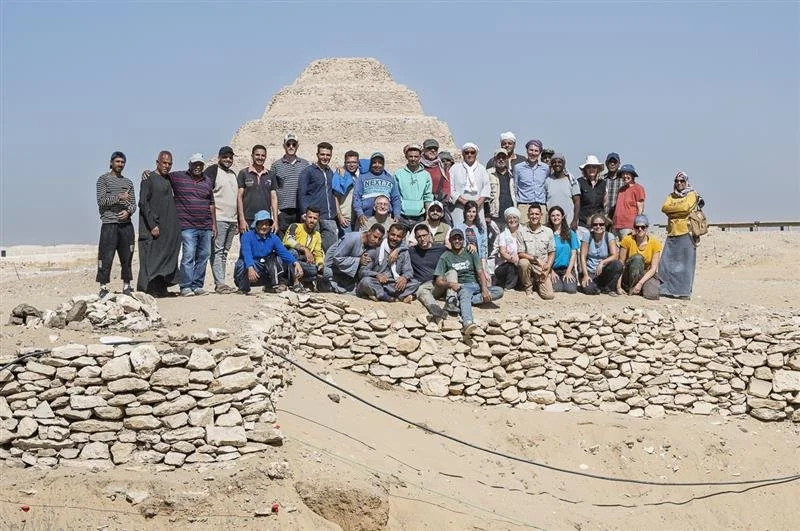
The Saqqara Digging Diaries 2025 - Fourth Week
Last Days in Saqqara: Closing to Begin Again
Autumn has officially arrived here in Saqqara. Work now begins with the sun already high, but the atmosphere has changed: the intense heat of the past weeks has given way to a steady breeze and clouds scattered across the horizon. At times, it almost feels like it might rain.
It’s time to wrap up the excavation. After weeks of fieldwork, the tasks remain the same, but the rhythm shifts - it’s no longer about uncovering, but about checking, completing, and putting things in order.
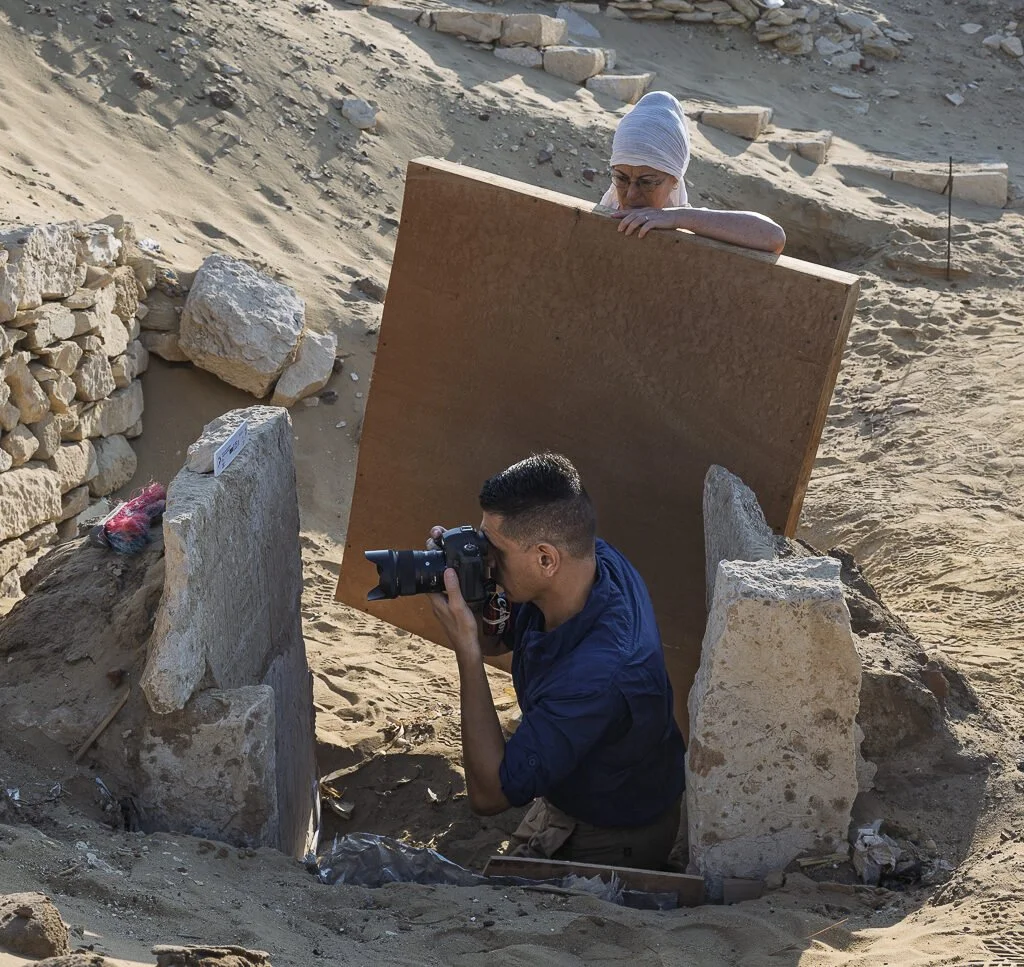
The Saqqara Digging Diaries 2025 - Third Week
Photography on Site: Capturing to Document
The weather has been changing these days in Saqqara: the light arrives earlier, and the days have turned unusually warm—almost humid. It’s strange for this time of year; the air should be cooling down. As a result, work on site has become more demanding: the sand is hotter, the air thicker.
And yet, every morning we can’t help but marvel at the spectacle of dawn.

The Saqqara Digging Diaries 2025 - Second Week
Saqqara in Fragments: The Story Told by Pottery
We’re already into the second week of the mission, and the rhythm of excavation has become part of our daily life.
The minibus drives off quickly, raising a cloud of dust and sand, while we remain south of Djoser’s pyramid, just a few steps away from the area we’re exploring. The morning air is still cool: bundled up in windbreakers and scarves, we shoulder our backpacks and head toward the site. It’s exactly 7:00 a.m.

The Saqqara Digging Diaries 2025 - First Week
Saqqara, here we go again.
When we leave the mission house in Abusir, it’s just daybreak—exactly 6:20 a.m. The first rays of light paint the sky red and reflect off the sand, which glows with golden hues. Someone hurriedly finishes a cup of coffee before getting on the minibus; someone else adjusts backpacks and equipment. Few words are spoken—everyone still feels the pull of sleep. Some silently review the tasks ahead, while others simply stare out the window.
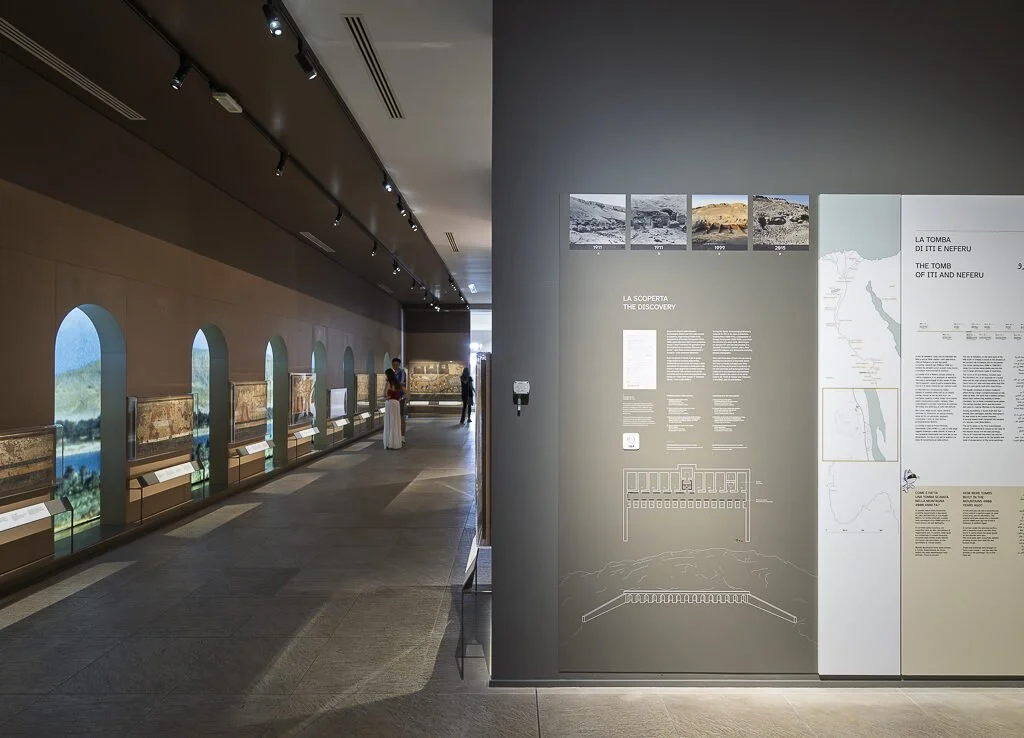
The reinstallation of the Iti and Neferu and Ahmose galleries
Starting today, July 8, 2025, visitors can explore the newly redesigned gallery dedicated to Iti and Neferu, as well as the small room devoted to Princess Ahmose, thanks to the important research and curatorial work carried out by Beppe Moiso, Enrico Ferraris, and Cinzia Soddu, and the exhibition design by Enrico Barbero and Piera Luisolo.

The Temple of Ellesiya now free to all
After nearly eight months of renovation work, the Temple of Ellesiya have reopened to the public, marking a significant milestone in the ongoing restoration and reorganization efforts
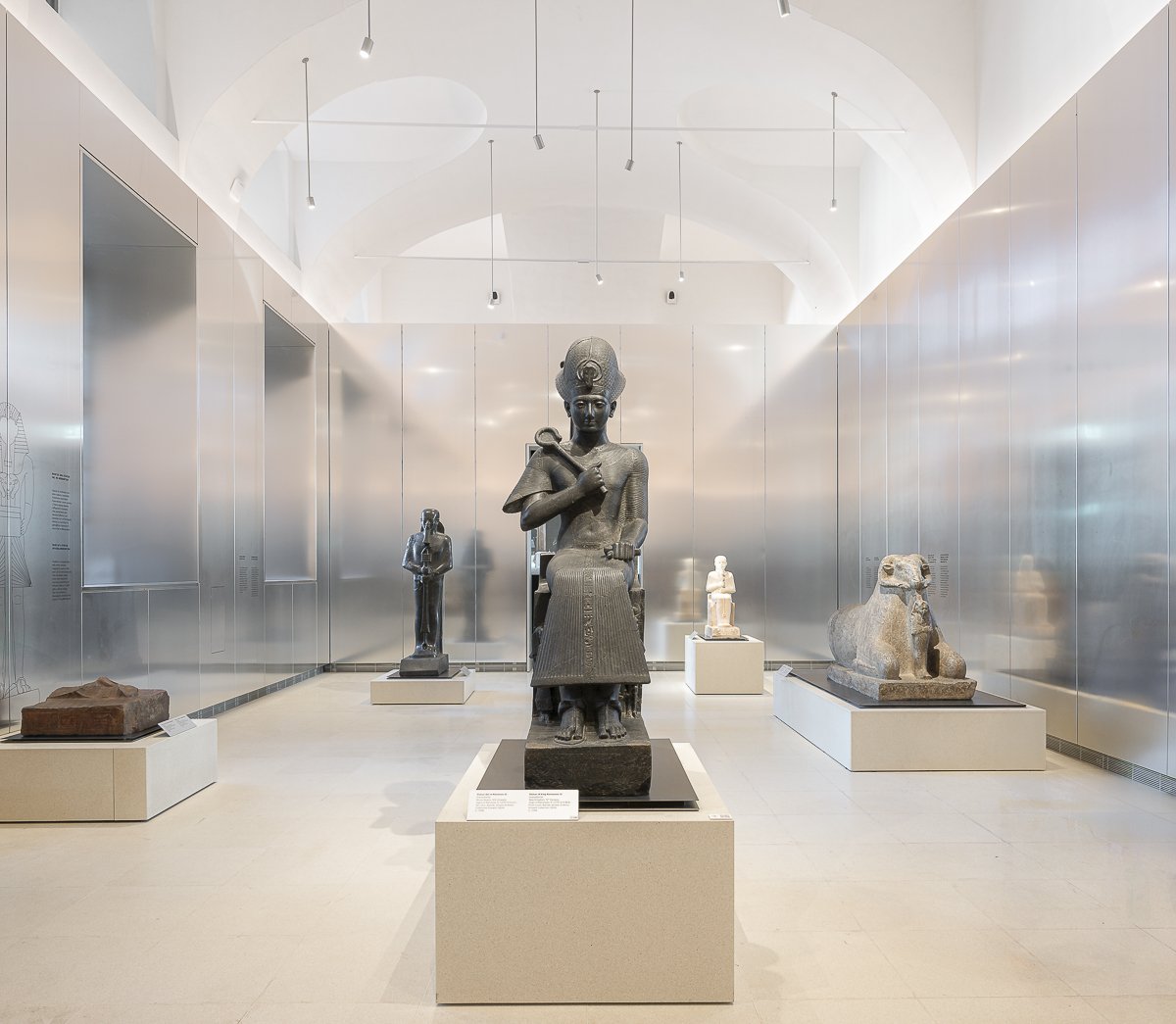
From darkness to light: the new Gallery of Kings
After nearly eight months of renovation work, the Gallery of the Kings and the Temple of Ellesiya have reopened to the public, marking a significant milestone in the ongoing restoration and reorganization efforts
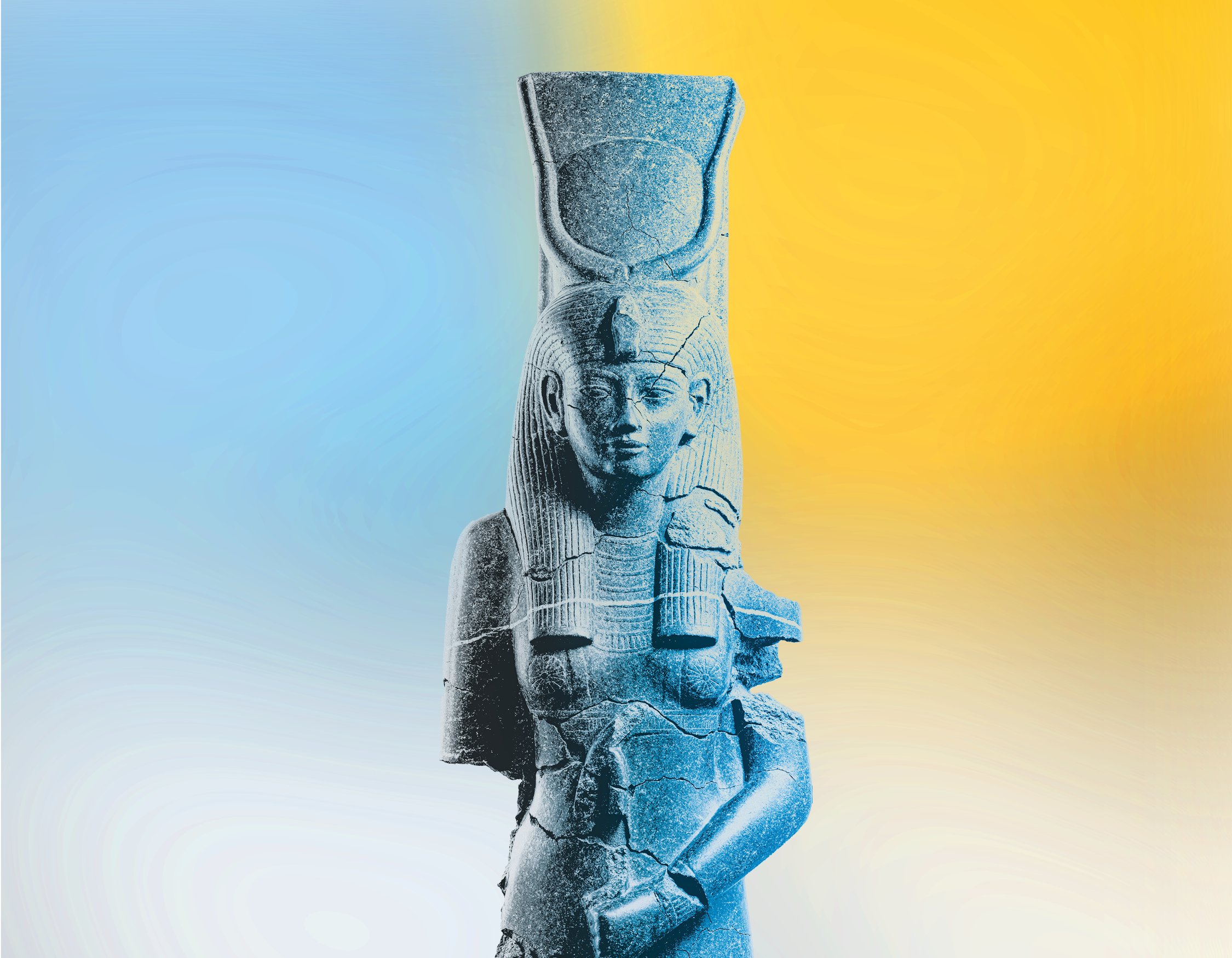
Reopening of the Gallery of the Kings and Ellesiya Temple Marks Festival 200 and the Museo Egizio’s bicentenary
After nearly eight months of renovation work, the Gallery of the Kings and the Temple of Ellesiya have reopened to the public, marking a significant milestone in the ongoing restoration and reorganization efforts
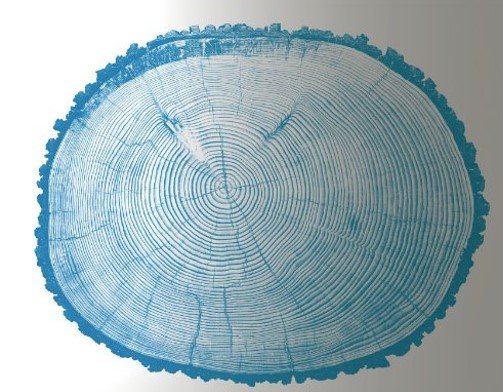
The new permanent exhibition “Materials. The Shape of Time”
Starting on October 5th, Museo Egizio presents "Materials. The Shape of Time", a new permanent exhibition which explores the materials of ancient Egypt, including wood, pigments, ceramic vessels, and stone objects, from the Predynastic Period (ca. 4000-3100 BCE) up until to the Byzantine Period (565-642 BCE).
This exhibition, which spans approximately 700 square meters across the ground and underground levels, is the result of in-depth interdisciplinary research project.

New Gallery Dedicated to Queen Nefertari
The funerary collection of Queen Nefertari returns to Museo Egizio on August 9th after being displayed in various museums around the world.
120 years after the discovery of Nefertari's tomb in the Valley of the Queens, which took place in 1904 by Ernesto Schiaparelli, then director of the Egyptian Museum, the collection will be displayed in early 20th-century showcases commissioned by Schiaparelli.
The reinstallation of the objects will be complemented by textual panels, a video narrative, and archival drawings and photographs to recreate the context of the artifacts from the Valley of the Queens.

Egyptian Gardens: the Kitchen Garden and the Funerary Garden
Green is once again the protagonist in the Museo Egizio: a new permanent exhibition entitled 'Egyptian Gardens: the Kitchen Garden and the Funerary Garden' can be visited on the Roof Garden.

The new arrangement of Room 6 Deir el-Medina is now open to the public.
Why is it so important to reorganize the room dedicated to Deir el-Medina?
The site is located on the west bank of the Nile, opposite the city of Luxor, and it has been perfectly preserved because no modern city has been built over it since its abandonment. Deir el-Medina was the home of a community of artisans responsible for excavating and decorating the royal tombs of the nearby Valleys of the Kings and Queens. The context is unique because it preserves the remains of an entire village, a votive area, and a necropolis with some of the most beautiful non-royal tombs in Egypt. The site is particularly important because it has provided the most significant information about daily life in ancient Egypt. It was excavated by Ernesto Schiaparelli and the Missione Archeologica Italiana between 1905 and 1909.

The textile gallery opens
A new space opens today at the Museum: the textile gallery.
The Museo Egizio houses an important collection of textiles that covers a period of over 5000 years. It has a very unique array of pieces in terms of the variety and quality of materials. In this room there are more than 700 textiles on display dating to the Pharaonic period (3000 –322 BCE), for a total of 1 km of antique linen.