The 2026 Coptos Digging Diary
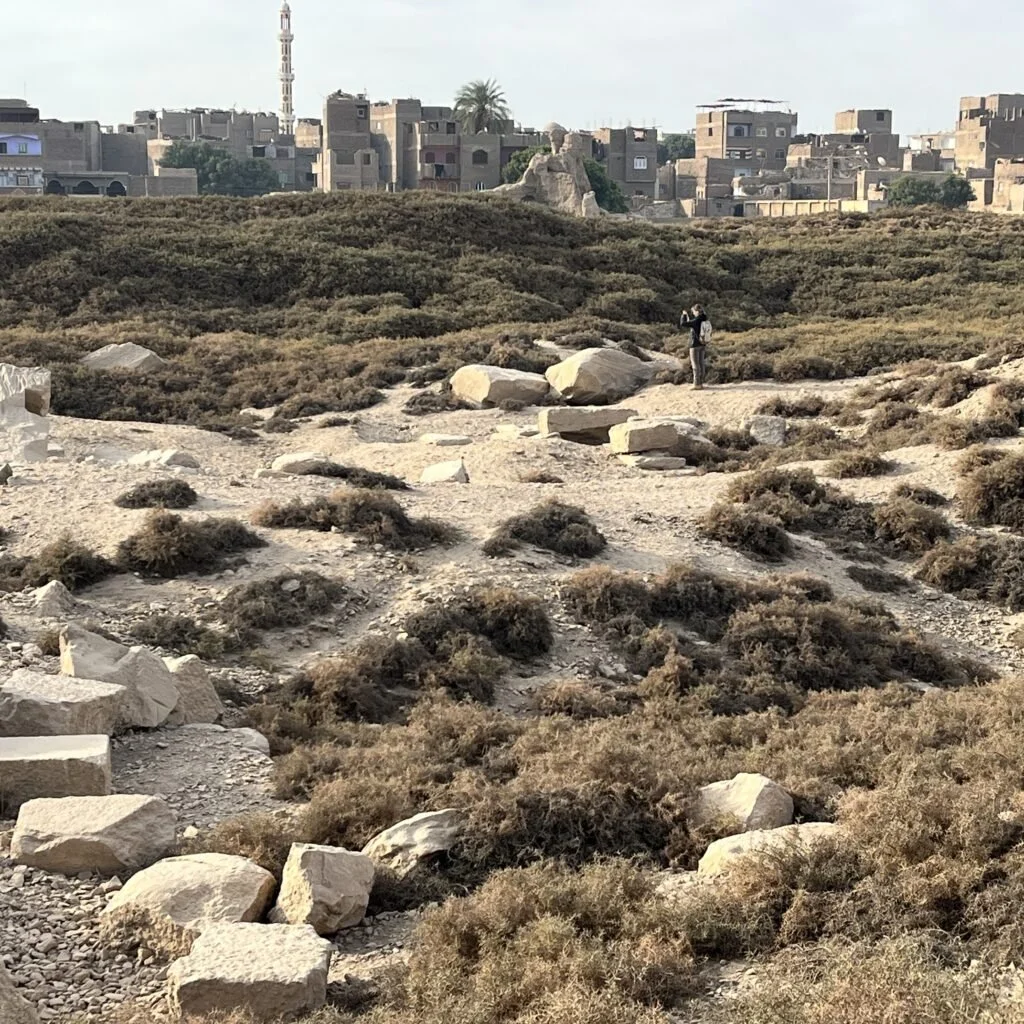
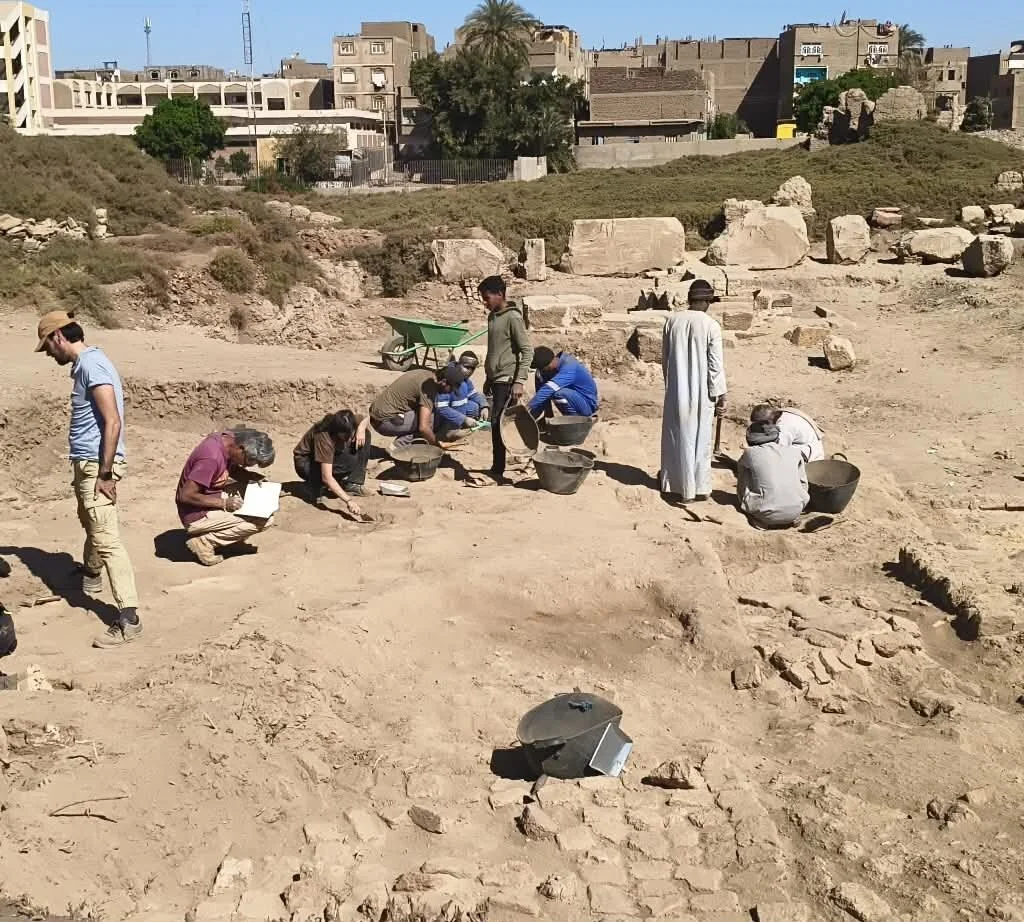
This winter, our archaeological mission returned to Qeft (ancient Coptos) in Upper Egypt — and what we uncovered tells a fascinating story of transformations through the centuries. In this excavation diary, we’ll take you through the latest discoveries and fieldwork activities. If you’re curious, keep reading!
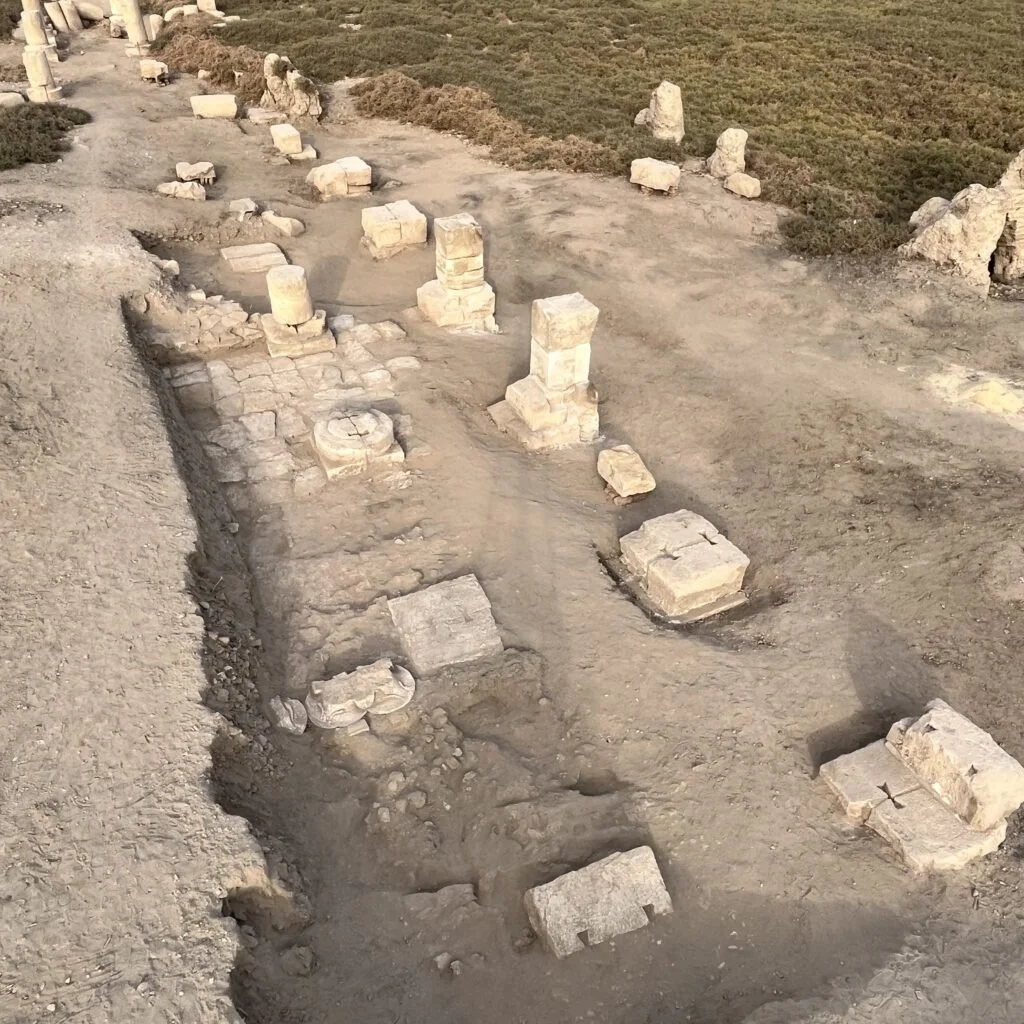
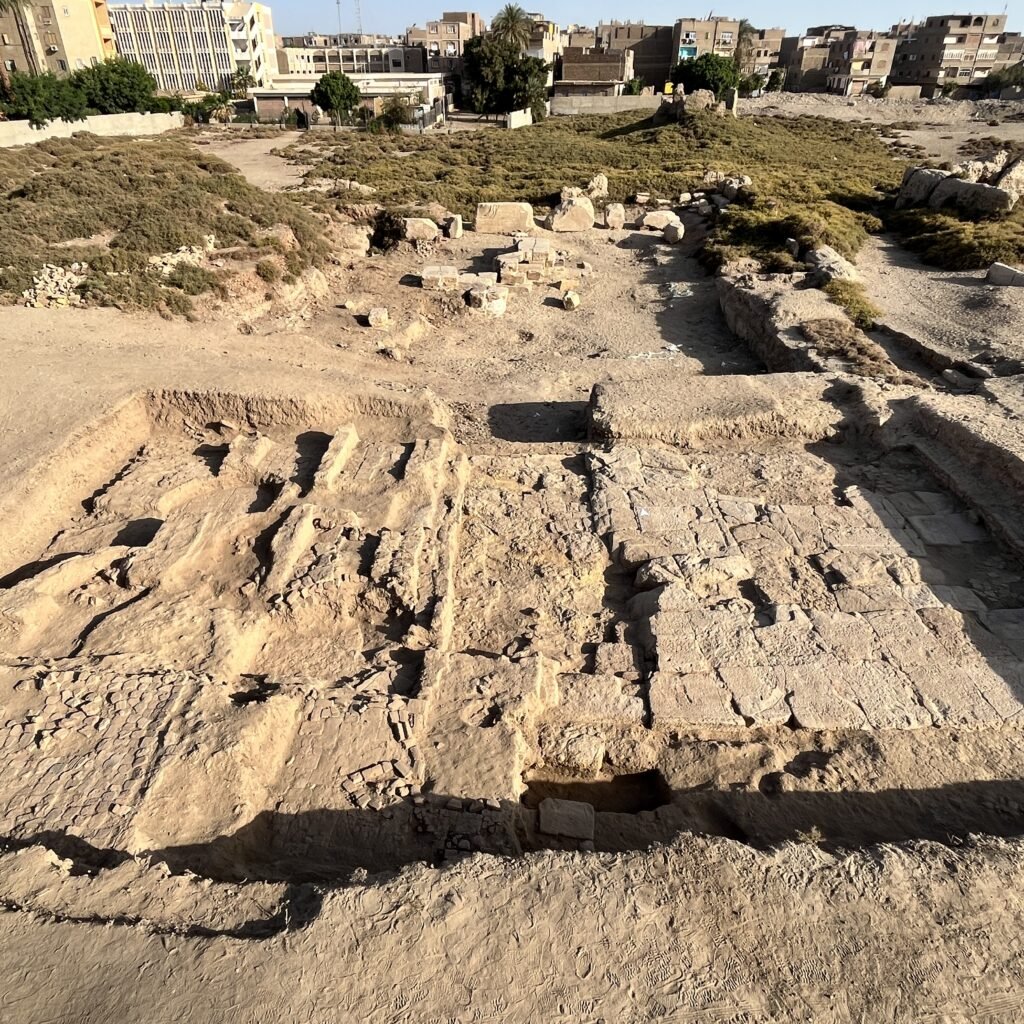
Between February and March 2026, our international team focused on one of the most interesting monuments on the site: a mammisi, or “birth house,” built in the Ptolemaic period (approximately 332–30 BCE). These buildings, closely connected to temple complexes, celebrated the divine birth of the gods. But the story of this mammisi doesn’t end there.
A temple… transformed into a home
Centuries after its construction, during the Byzantine period (6th–7th century CE), the monument was no longer a sacred space. Instead, it was carefully reoccupied and transformed into a proper dwelling.
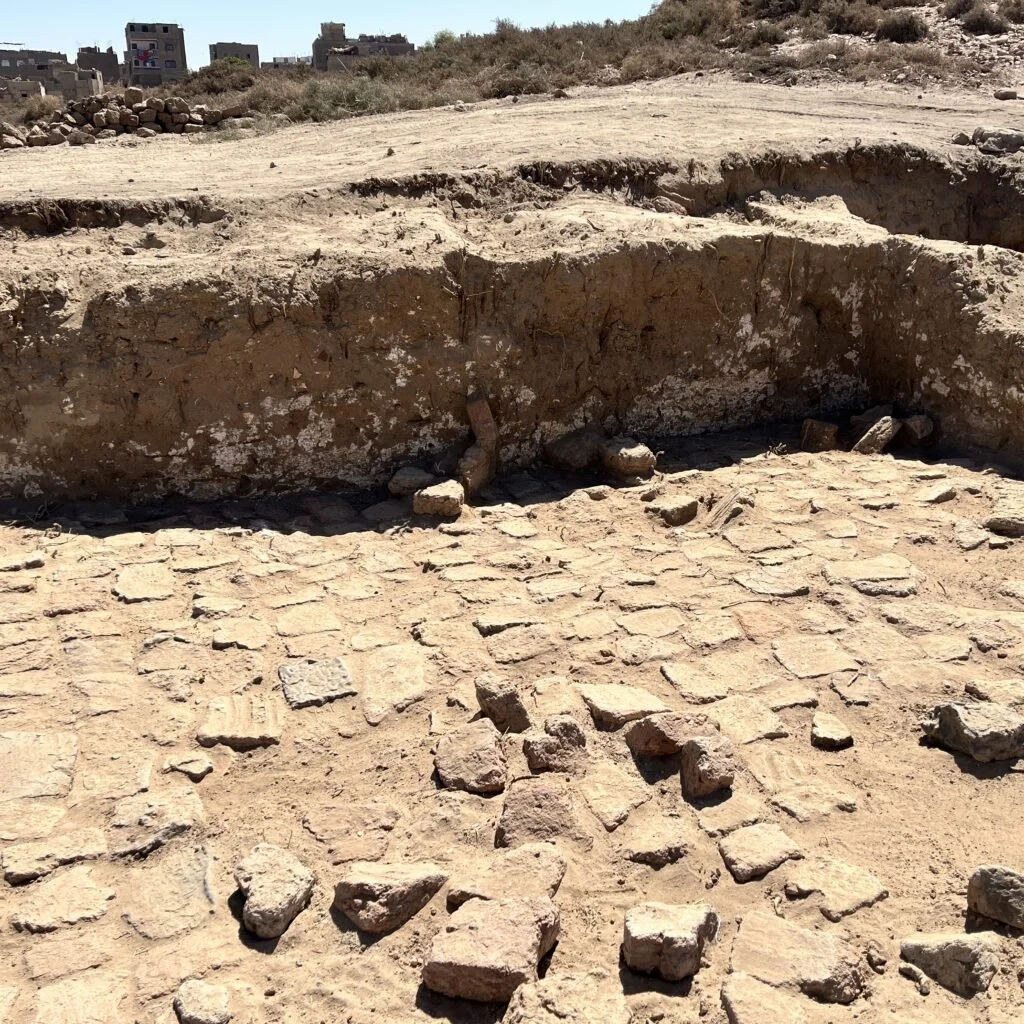
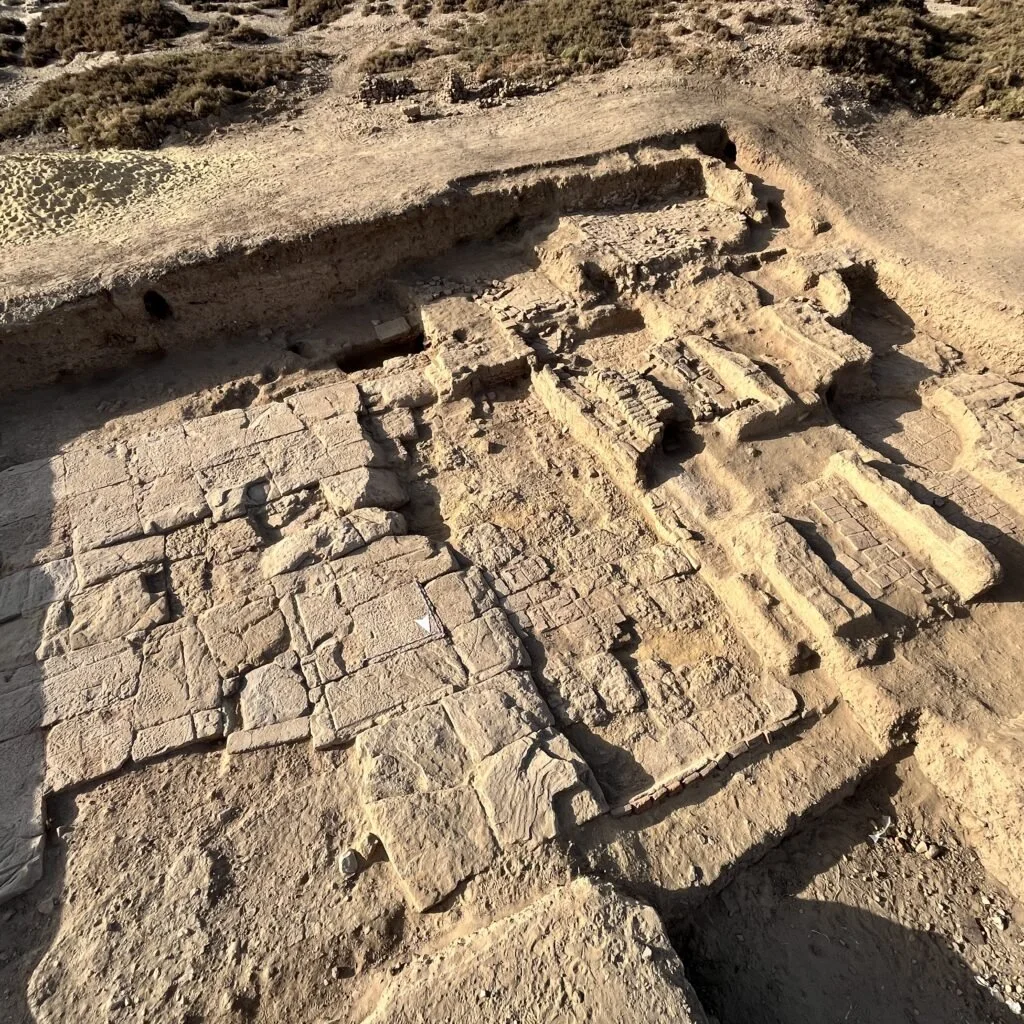
We identified mudbrick walls built directly on the temple’s stone floor, dividing the space into multiple rooms. Some had tiled floors, while others were probably used as workspaces. The complex was no longer meant for rituals, but had become part of everyday life.
Even more interesting, this transformation didn’t happen just once. We identified two distinct phases of reoccupation, showing that the building continued to evolve and adapt over time.
The past “reused”
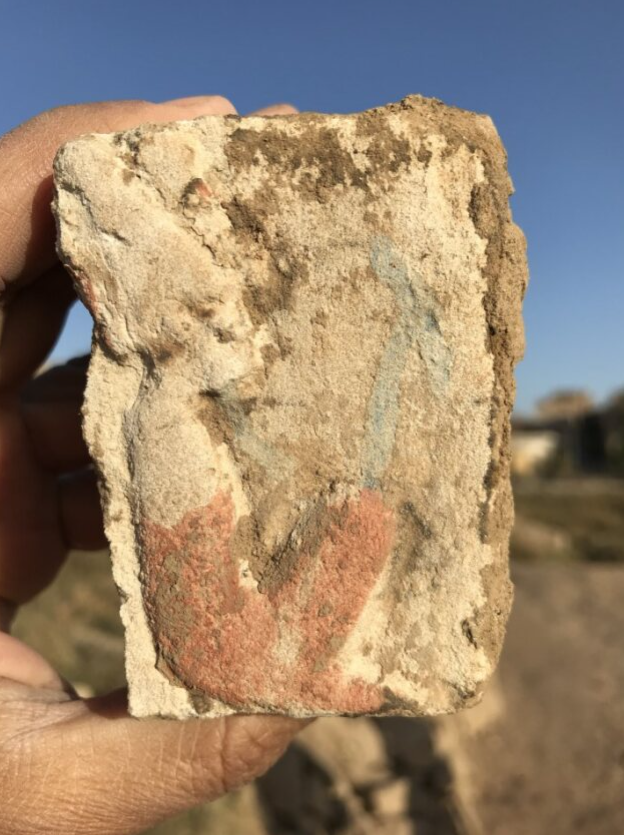
At a certain point, parts of the original structure were dismantled: temple blocks were reused, moved, or piled up inside the building itself. Among these fragments, we found decorated elements, inscriptions, and architectural blocks — like the scattered pieces of a giant puzzle.
Among the most significant discoveries are a fragment with a hieroglyphic inscription and the base of a reused column, bearing a demotic inscription — a form of ancient Egyptian writing and language used mainly from the 7th century BCE to the 5th century CE. These artifacts are invaluable evidence of how different periods overlap in the same place!
We can’t show you photos of these fragments just yet, as they must first be officially published. But soon, you’ll be able to see them in one of our articles.
Clues of everyday life
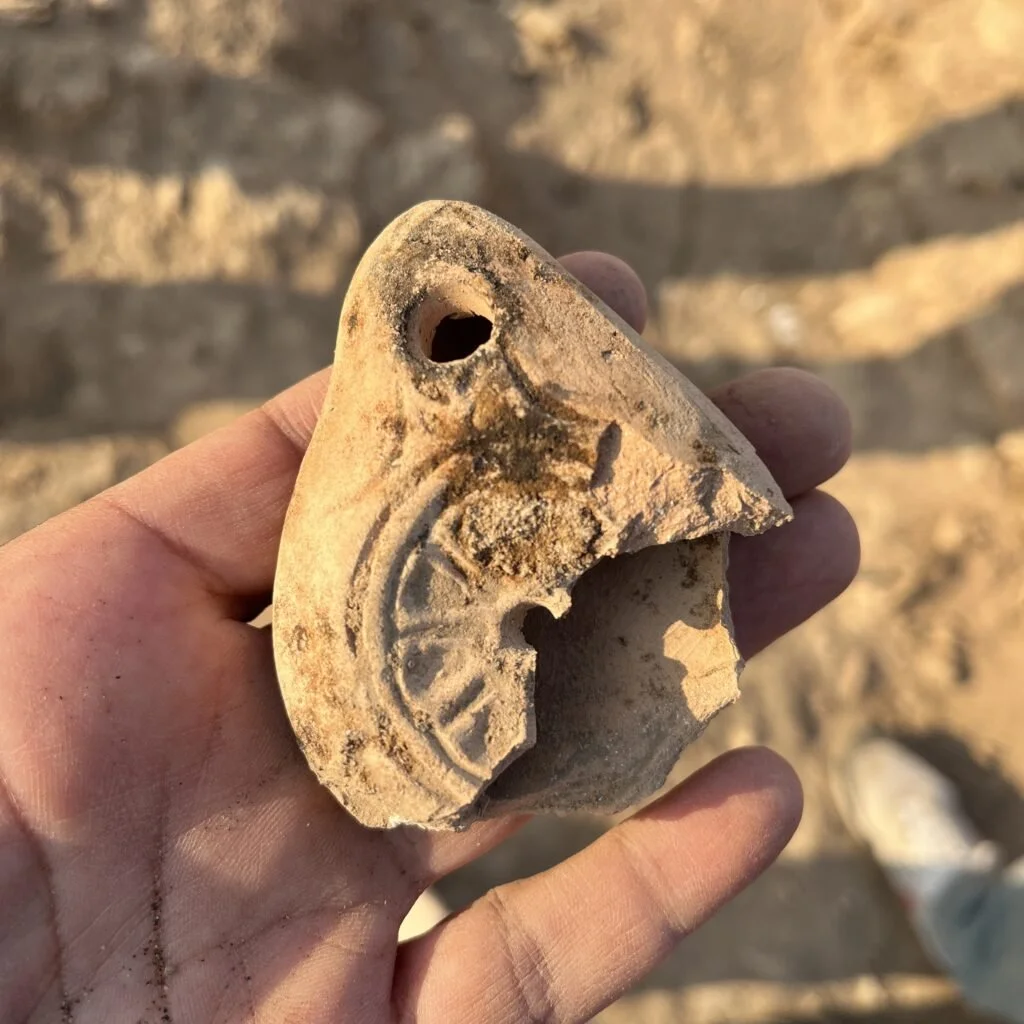
The excavation also yielded numerous everyday objects: coins, a small bronze key, a grinding stone, and a ceramic lamp. These are tangible traces of the people who lived and worked in this space, glimpses of their daily lives.
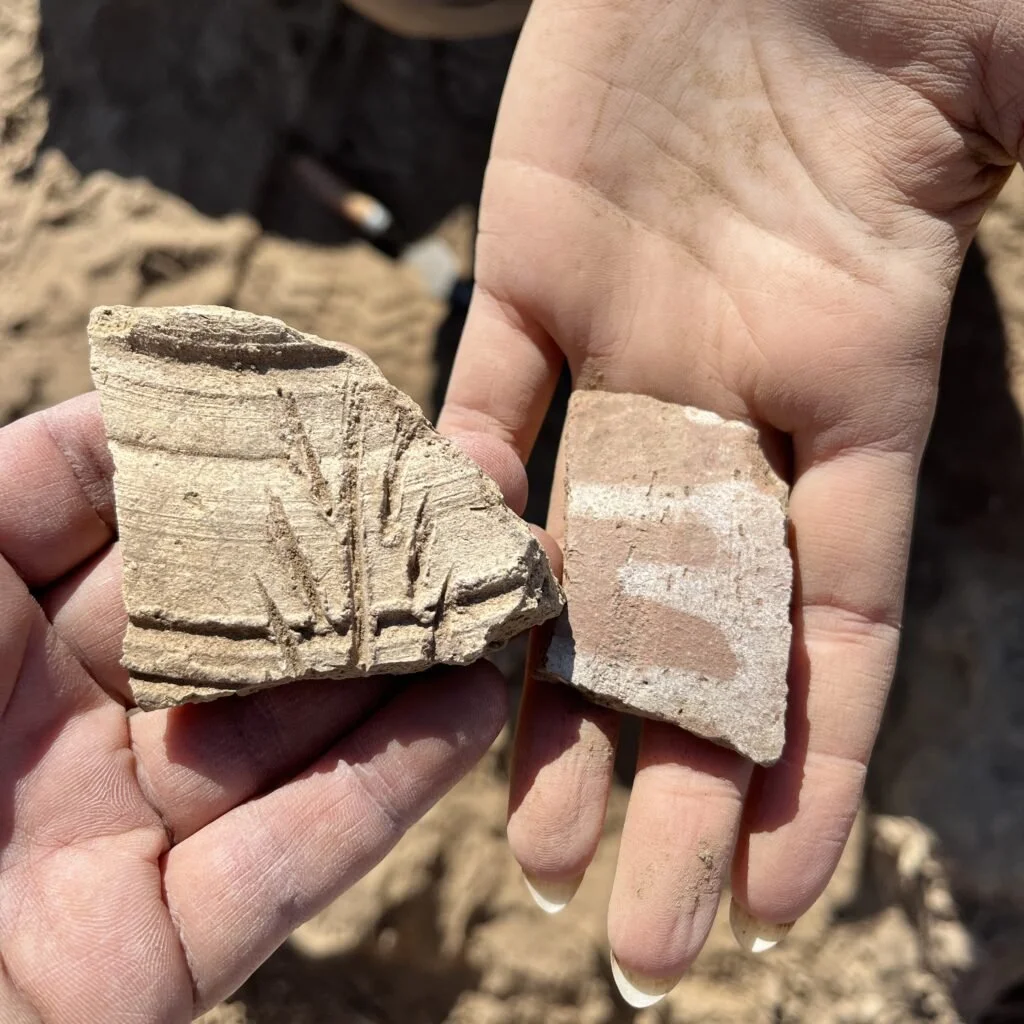
Ceramics tell another part of the story. Most of the finds date to the Late Roman period and were locally produced, suggesting a largely self-sufficient community. At the same time, the presence of kiln waste indicates artisanal activity, probably connected to nearby ceramic workshops.
Reconstructing a lost landscape
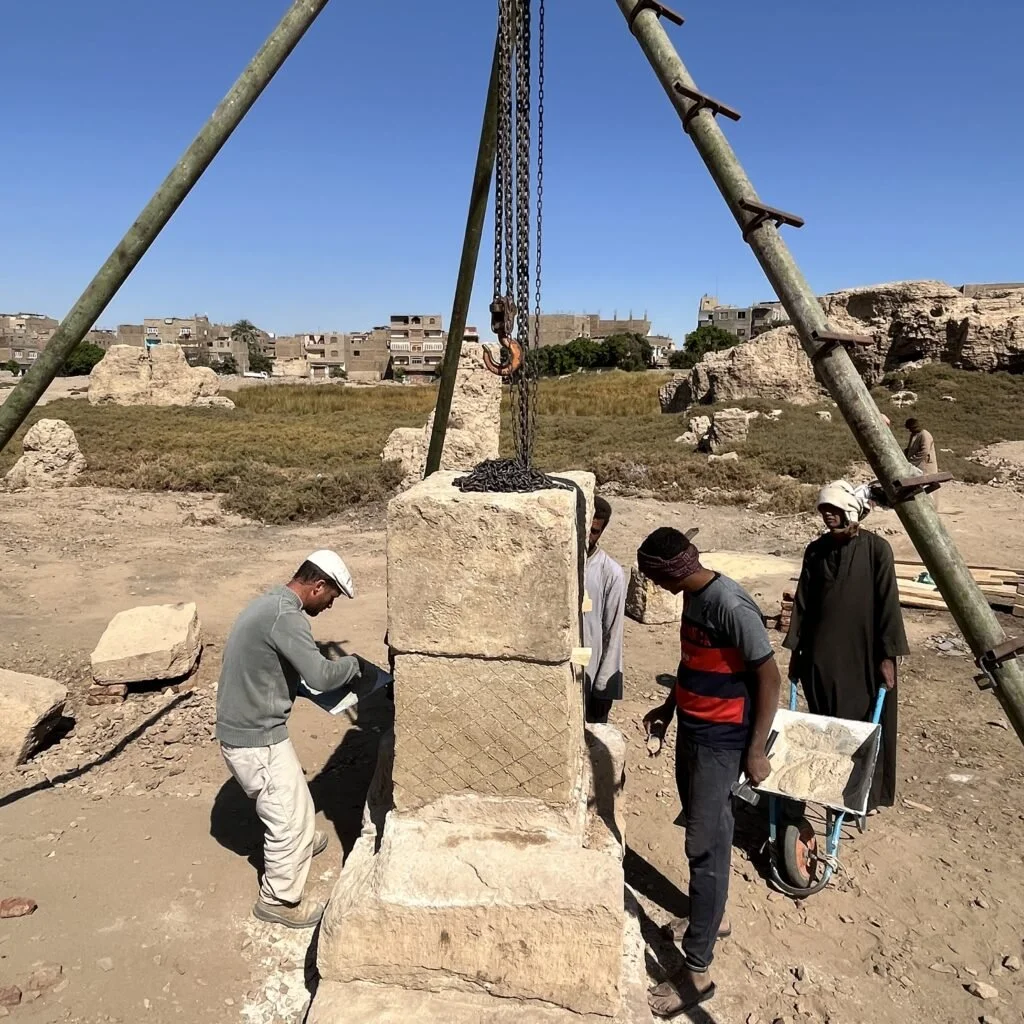
Beyond excavation, the mission also focused on conservation and site enhancement. In the northern colonnade of the temple complex, for example, we began standing up some collapsed pillars, using traditional techniques to lift and reposition the ancient blocks. It was thrilling to see pieces of the past return to their place! These interventions are essential not only for preserving the site, but also for helping restore the monument’s original form.
A puzzle through the millennia
What strikes us most is the extraordinary continuity of life on the site. A sacred space from the Ptolemaic period, centuries later, becomes a place of daily life, work, and reuse.
At Coptos, history is not a fixed image, but an ongoing process of transformation. Season after season, we are slowly piecing together this great story, bit by bit.
See you at the next mission!